

Emergency Support for Hedgehogs: Incubator Use in Critical Collapse Case
Wildlife patients frequently present in a critical state, often requiring rapid stabilisation alongside careful handling to minimise stress. Juvenile hedgehogs (Erinaceus europaeus) are particularly vulnerable to environmental exposure, with hypothermia, dehydration, and hypoglycaemia commonly encountered in autumn admissions. Intensive supportive care, including thermal and oxygen support, is therefore central to improving survival in these cases.
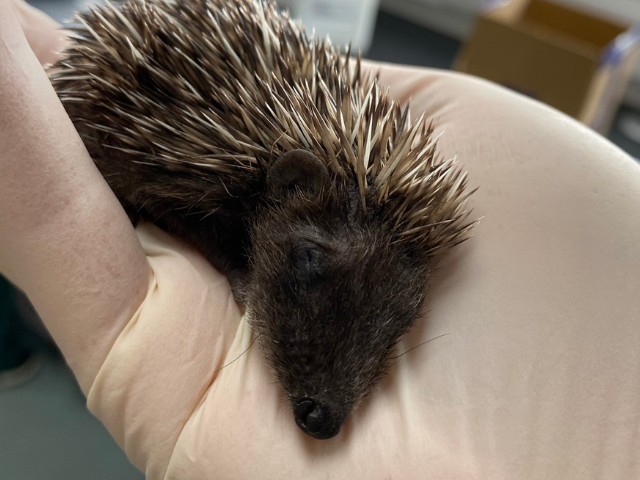
A juvenile hedgehog weighing approximately 100 g was presented after being found outdoors in cold, wet conditions (Figure 1). On admission, the patient was collapsed, severely hypothermic, bradycardic, and minimally responsive. Such cases are highly time-sensitive: prompt intervention is required to restore physiological stability, yet inappropriate or excessive warming can result in burns or exacerbate cardiovascular compromise.
A Vetario incubator was used to provide controlled stabilisation. The unit was pre-warmed prior to admission, and the hedgehog was placed on absorbent bedding within the chamber. Gradual, consistent thermal support allowed safe correction of hypothermia, while supplemental oxygen enriched the environment to support respiratory function. The enclosed design reduced external stimuli, helping to minimise stress in an already compromised patient. Continuous visual monitoring through the transparent chamber enabled assessment of respiratory effort, posture, and responsiveness without repeated handling.
Within the first hour, the hedgehog demonstrated clear clinical improvement, with increased responsiveness and more regular respiratory effort. As the patient stabilised, warmed subcutaneous fluids were administered to address dehydration. Assisted feeding was introduced once the hedgehog regained sufficient strength and coordination. The patient remained in the incubator overnight to ensure ongoing thermal support and monitoring.
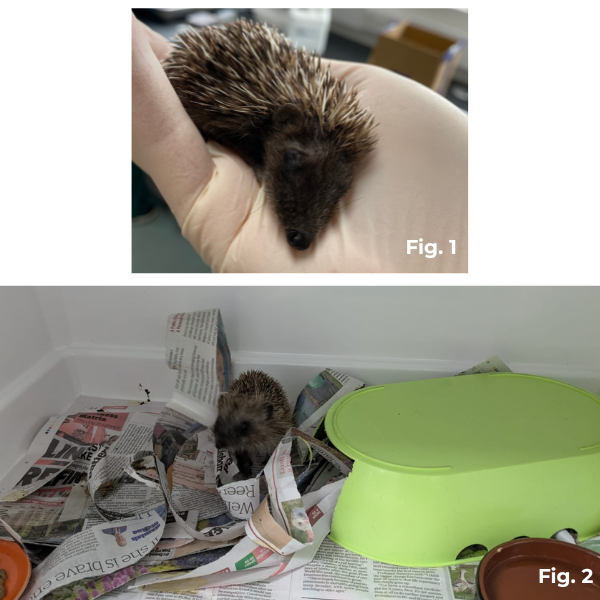
Continued improvement was observed (Figure 2), and once stable, the hedgehog was transferred to an experienced wildlife rehabilitator for further nutritional support and eventual release. Early stabilisation using controlled environmental support was key to the positive outcome in this case.
The incubator played a central role in management by allowing precise temperature regulation, oxygen supplementation, and reduction of handling stress. In small wildlife patients with limited physiological reserves, these factors are critical during the initial stabilisation period. This case highlights the importance of appropriate intensive care equipment in improving outcomes for compromised juvenile wildlife, where rapid but carefully controlled intervention is essential.
Figure 1: A collapsed juvenile hedgehog (Erinaceus europaeus), approximately 100 g, at presentation after being found outdoors in cold, wet conditions.
Figure 2: The juvenile hedgehog showing continued clinical improvement prior to transfer to a wildlife rehabilitator for ongoing care and rehabilitation.
Dr Sonya Miles
BVSc CertAVP(ZM), CertAqV, MRCVS. RCVS Recognised Advanced Practitioner in Zoological Medicine. WAVMA Certified Aquatic Species Vet.
Just Exotics www.justexotics.co.uk