

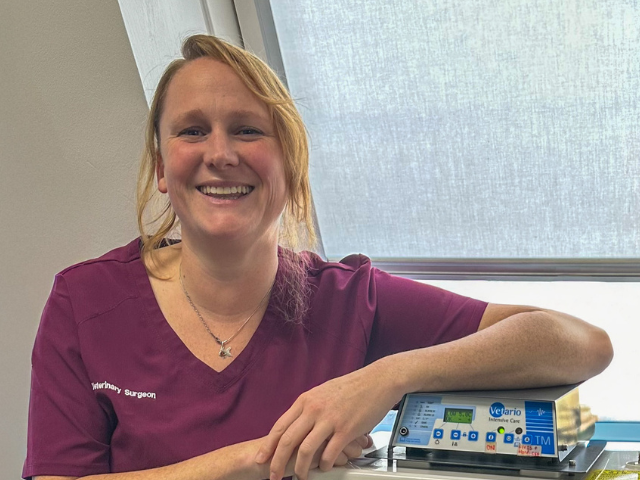
Vetario T50M Incubator Use in Avian Head Trauma Cases
Wild raptors frequently present following traumatic incidents, with road traffic collisions representing a common cause of injury. Head trauma in these species is associated with a high risk of morbidity and mortality, particularly when compounded by hypothermia, shock, and stress. Immediate stabilisation, with careful minimisation of handling, is essential to optimise outcomes.
A juvenile tawny owl (Strix aluco) was admitted after being found roadside, unable to fly and suspected to have sustained a vehicular impact. On presentation, the bird was concussed, hypothermic, and weak, with laboured respiration and reduced responsiveness. Neurological impairment was evident, and handling was kept to a minimum to avoid exacerbating hypoxia or stress.
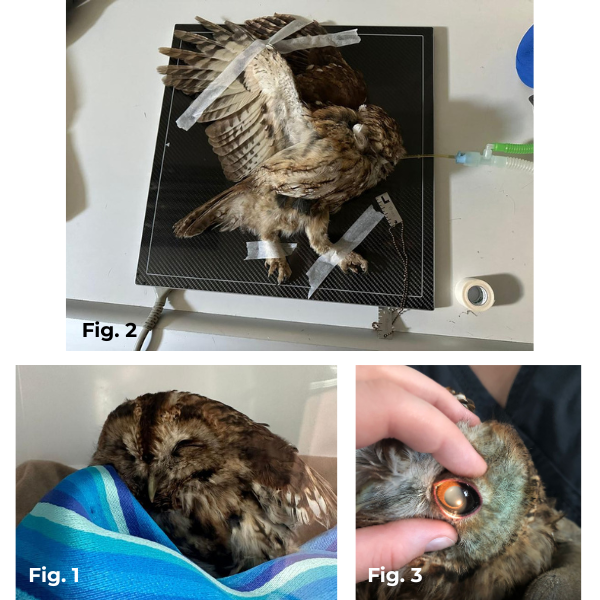
The owl was placed in a pre-warmed Vetario incubator to provide a stable and controlled environment (Figure 1). Thermal support was critical in correcting hypothermia, while supplemental oxygen was administered to improve tissue oxygenation in a compromised patient. The enclosed, low-stimulus chamber reduced exposure to light and noise, both of which can worsen neurological signs in head trauma cases. Continuous visual monitoring through the transparent chamber allowed assessment of posture, respiration, and neurological status without repeated handling.
Over the following hours, gradual clinical improvement was observed, with the owl regaining a more upright posture and increased responsiveness. Once stabilised, further diagnostic evaluation, including radiography (Figure 2) and ophthalmic examination (Figure 3), was performed to assess for concurrent injuries. No significant fractures were identified, and supportive management was continued, including fluid therapy and anti-inflammatory treatment.
The owl remained in the incubator overnight for ongoing monitoring and supportive care. By the following day, neurological function had improved sufficiently to allow safe transfer to a wildlife rehabilitation centre for continued recovery, including flight assessment and conditioning prior to release.
The incubator played a central role in this case by providing consistent thermal support, facilitating oxygen supplementation, and minimising stress through environmental control. In avian trauma patients, particularly raptors, these factors are critical during the initial stabilisation period. This case highlights the importance of appropriate intensive care equipment in improving outcomes for wildlife patients, where rapid intervention and minimal handling are essential to support recovery and eventual release.
Figure 1: The tawny owl (Strix aluco) receiving initial stabilisation within an incubator, providing controlled thermal support and oxygen supplementation.
Figure 2: Radiographic evaluation performed following stabilisation to assess for concurrent traumatic injuries.
Figure 3: Ophthalmic evaluation performed following stabilisation to assess for concurrent traumatic injuries.
Dr Sonya Miles
BVSc CertAVP(ZM), CertAqV, MRCVS. RCVS Recognised Advanced Practitioner in Zoological Medicine. WAVMA Certified Aquatic Species Vet.
Just Exotics www.justexotics.co.uk