

Saving a Critical Rabbit: How Vetario Incubator Care Supports Recovery
Rabbits (Oryctolagus cuniculus) are highly susceptible to gastrointestinal (GI) disease, with obstruction representing one of the most acute and life-threatening presentations. Their digestive physiology relies on continuous intake and motility; disruption rapidly leads to gastric dilation, pain, hypovolaemia, and shock. Prompt stabilisation and supportive care are therefore critical to improving survival.
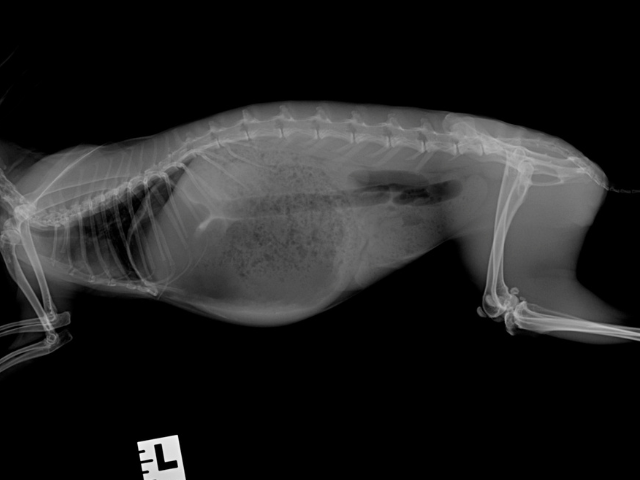
A young adult rabbit was presented with acute anorexia, abdominal distension, lethargy, and hypothermia. On examination, the patient was collapsed, tachypnoeic, and poorly responsive. Radiographic assessment confirmed marked gastric dilation with gas and fluid consistent with gastrointestinal obstruction (Figures 1 and 2). Given the severity of clinical signs, immediate stabilisation was prioritised prior to further intervention.
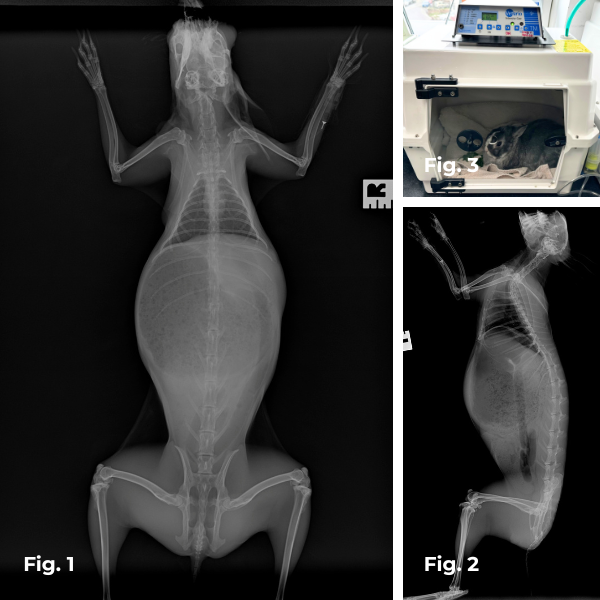
The rabbit was transferred to a pre-warmed Vetario incubator to provide a controlled environment during initial stabilisation (Figure 3). Hypothermia is a significant complicating factor in rabbits and can exacerbate shock and ileus; therefore, gradual and consistent thermal support was essential. Supplemental oxygen was administered within the chamber to improve tissue oxygenation and reduce cardiorespiratory strain. The enclosed, low-stimulus environment also helped minimise stress, which is known to significantly impact outcomes in this species.
Continuous visual monitoring through the transparent chamber allowed close assessment of respiratory effort, posture, and mentation without repeated handling. This was particularly important in a compromised patient where excessive handling may worsen clinical status. Intravenous fluid therapy, analgesia, and prokinetic support were initiated, alongside careful decompression and ongoing medical management.
The incubator remained central throughout the stabilisation period, providing consistent warmth and a supportive recovery environment between interventions. Over the following 24 hours, gradual clinical improvement was observed, including reduced abdominal distension and return of faecal output, indicating restoration of gastrointestinal motility. Nutritional support was introduced cautiously, with assisted feeding as required.
As the patient stabilised, reliance on intensive support was gradually reduced. The rabbit continued to improve with ongoing medical management and was discharged after several days with appropriate dietary and husbandry recommendations to reduce the risk of recurrence.
This case highlights the importance of controlled supportive care in the management of acute gastrointestinal obstruction in rabbits. The incubator played a key role by providing precise thermal regulation, facilitating oxygen therapy, and reducing stress through minimised handling. In rabbits, where hypothermia and stress can rapidly lead to deterioration, such interventions are essential in improving clinical outcomes. Intensive care units therefore represent a valuable component of both emergency and perioperative management in small mammal practice.
Figure 1: Dorsoventral radiograph demonstrating marked gastric dilation with gas and fluid consistent with gastrointestinal obstruction in a rabbit.
Figure 2: Lateral radiograph illustrating the extent of gastric distension and displacement of abdominal structures associated with obstruction. Incubator use in an obstructed rabbit case
Dr Sonya Miles
BVSc CertAVP(ZM), CertAqV, MRCVS. RCVS Recognised Advanced Practitioner in Zoological Medicine. WAVMA Certified Aquatic Species Vet.
Just Exotics: www.justexotics.co.uk